Forensic IT Services Can Make or Break A Legal Case Processed In the UK Justice System
In an era where data drives everything, the role of a Forensic IT Expert has never been more crucial. From corporate espionage and ransomware to employee misconduct and fraud, cyber incidents can cripple an organisation overnight.
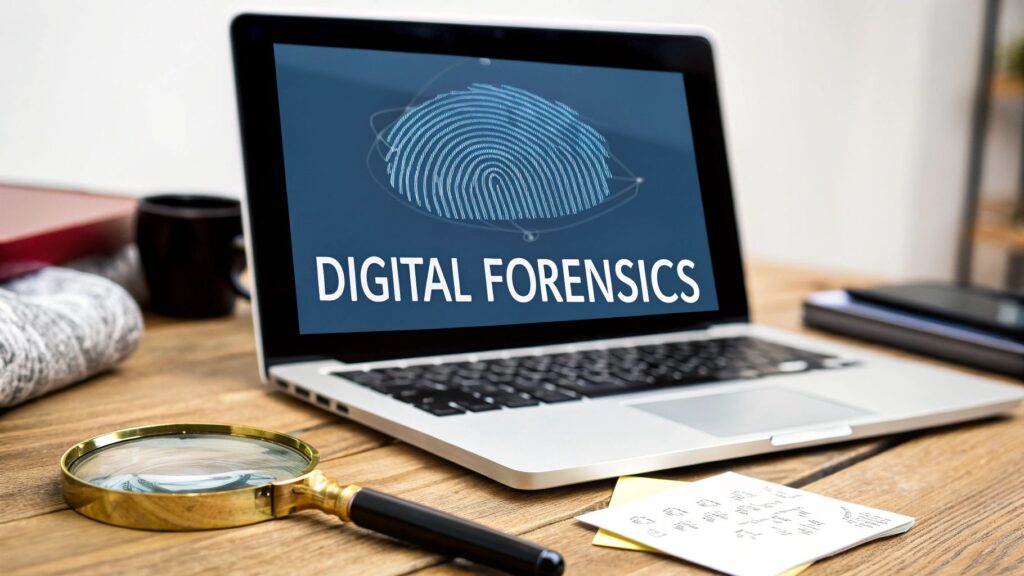
A forensic IT professional helps you uncover what happened, who was responsible, and how to prevent it from happening again. They don’t just deal with technology — they deal with truth, evidence, and justice in the digital world.
Understanding What a Forensic IT Expert Does
A Forensic IT Expert specialises in recovering, analysing, and interpreting digital data. They investigate cybercrimes, data breaches, and other computer-related incidents, often working alongside legal teams, law enforcement, and corporate security departments.
Digital Forensics Explained
Digital forensics is the science of uncovering and examining digital evidence stored on computers, mobile devices, or online platforms. The process involves data acquisition, preservation, analysis, and presentation — all while maintaining a clear chain of custody to ensure the evidence is legally admissible.
Unlike traditional IT technicians, forensic experts are trained to preserve evidence rather than simply repair systems. They use sophisticated tools such as EnCase, FTK, and Cellebrite to retrieve, examine, and validate digital data.
Key Skills of a Forensic IT Expert
A skilled forensic IT professional combines deep technical expertise with investigative precision. Their capabilities include:
- Understanding multiple operating systems (Windows, macOS, Linux)
- Analysing network traffic and server logs
- Recovering deleted or encrypted files
- Maintaining detailed documentation and evidence trails
- Communicating findings clearly in legal settings
In short, they’re both detectives and data scientists — able to uncover the hidden stories your digital systems tell.
Why Businesses Need a Forensic IT Expert
Cyber threats are increasing in both volume and sophistication. For UK organisations bound by data protection laws like the GDPR, a single breach could result in substantial fines and reputational damage.
Here’s how a forensic IT expert helps protect your business.
Protecting Sensitive Corporate Data
Forensic IT professionals safeguard confidential data from theft, misuse, and unauthorised access. They monitor systems for vulnerabilities, audit security protocols, and implement proactive measures to prevent breaches.
Responding to Security Incidents
When an incident occurs — such as a phishing attack, malware infection, or data leak — the expert steps in to isolate the problem, preserve the evidence, and begin analysis. Their quick action ensures the damage is contained while maintaining the integrity of digital evidence for possible legal proceedings.
Ensuring Legal Compliance
From GDPR to industry-specific regulations like ISO 27001 or NCSC Cyber Essentials, forensic IT experts ensure your investigations and reporting meet the highest standards of legal compliance and data governance.
Top 10 Ways a Forensic IT Expert Can Help You
Here are the ten most impactful ways these professionals can assist individuals and organisations alike.
1. Data Recovery and Restoration
Even when files appear permanently deleted, forensic experts can often recover them using advanced recovery tools. This includes files removed through intentional deletion, corruption, or cyberattacks.
2. Cybercrime Investigation
Whether it’s online fraud, identity theft, or insider trading, forensic IT experts trace the digital footprints left behind. Their work often leads to identifying the perpetrators and securing convictions.
3. Network Intrusion Analysis
Experts monitor network logs to detect and trace unauthorised access attempts. By identifying the entry points and methods used, they strengthen network defences against future intrusions.
4. Malware Detection and Analysis
From ransomware to spyware, malicious software can cripple systems. Forensic IT professionals dissect malware, determine its source, and help build a defence strategy to prevent recurrence.
5. Email and Communication Forensics
Emails are often a goldmine for investigators. A forensic IT expert can retrieve deleted communications, track IP origins, and reconstruct correspondence to expose fraudulent or unethical behaviour.
6. Mobile Device Forensics
With mobile devices serving as both personal and professional tools, forensic experts can extract text messages, call logs, GPS data, and app activity — all crucial for modern investigations.
7. Expert Witness in Court
When digital evidence becomes part of a legal dispute, forensic IT experts serve as expert witnesses. They explain technical findings in clear, unbiased language that helps courts understand complex cyber issues.
8. Data Breach Impact Assessment
After a breach, these professionals analyse the scope of the damage: what information was compromised, how it was accessed, and what the implications are for clients and regulatory bodies.
9. Employee Misconduct Investigations
Internal investigations often rely on digital forensics. From misuse of company data to harassment via email, forensic experts gather admissible evidence while protecting employee privacy.
10. Cybersecurity Strategy and Prevention
A seasoned forensic expert doesn’t just react — they help you prevent future attacks. They design tailored cybersecurity frameworks, recommend training, and implement incident response plans that prepare your organisation for anything.
How to Choose the Right Forensic IT Expert
Choosing the right professional can make all the difference between a successful investigation and an inconclusive one.
Certifications and Experience
Look for recognised qualifications such as:
- CHFI (Computer Hacking Forensic Investigator)
- CEH (Certified Ethical Hacker)
- CISSP (Certified Information Systems Security Professional)
These certifications prove expertise in both technical and ethical aspects of digital forensics.
Choosing Between In-House and External Experts
Larger organisations may benefit from an in-house forensic team for rapid response, while smaller businesses often prefer external consultants for cost efficiency and objectivity. A hybrid approach is also common in the UK, especially in regulated sectors.
Cost of Hiring a Forensic IT Expert
Costs vary based on complexity, urgency, and data volume.
Typical UK pricing structures include:
-
Hourly rates: £120 – £350 per hour
-
Project-based fees: £2,000 – £20,000+
The investment is well justified when weighed against potential fines, legal exposure, and data loss.
Real-World Case Studies
-
Case 1: A UK healthcare provider recovered sensitive patient data after ransomware encrypted their systems. A forensic IT expert traced the malware source and strengthened their security posture.
-
Case 2: A London-based law firm prevented insider leaks when forensic analysis revealed an employee forwarding confidential files to a competitor.
For more case insights, visit the ISACA Forensics Case Studies page.
The Future of Forensic IT Services
The world of digital forensics is rapidly evolving. Artificial intelligence (AI), automation, and blockchain analysis are revolutionising how forensic experts identify patterns and correlations in data.
Tomorrow’s Forensic IT Expert will not only investigate digital crimes but predict and prevent them — combining machine learning with human expertise to stay ahead of cybercriminals.
Frequently Asked Questions (FAQs)
1. What does a Forensic IT Expert do?
They investigate digital incidents, recover data, and present findings as evidence in legal or corporate investigations.
2. Is hiring a Forensic IT Expert expensive?
Costs vary, but their value in preventing data loss and ensuring compliance far outweighs the expense.
3. Can deleted files always be recovered?
Not always, but in many cases, partial or full recovery is possible depending on data overwrite and device condition.
4. Do Forensic IT Experts appear in court?
Yes, they often act as expert witnesses to interpret digital evidence in both civil and criminal cases.
5. What tools are used by Forensic IT Experts?
Common tools include EnCase, FTK, Autopsy, and Cellebrite — all industry-standard solutions for data recovery and analysis.
6. Do small UK businesses need forensic IT services?
Absolutely. SMEs are frequent cyber targets and can benefit greatly from early forensic consultation and preventive measures.
A Forensic IT Expert plays a vital role in today’s data-driven society. Whether preventing cyberattacks, investigating misconduct, or presenting evidence in court, their expertise helps protect both organisations and individuals.
By investing in forensic IT support, you’re not just securing your systems — you’re safeguarding your reputation, compliance, and future.
