Smart appliance forensics is a fast-emerging field that examines the digital footprints left by connected-home devices. From refrigerators that track consumption to thermostats that monitor energy use, these appliances generate data that can prove invaluable in an investigation.
Why it is crucial
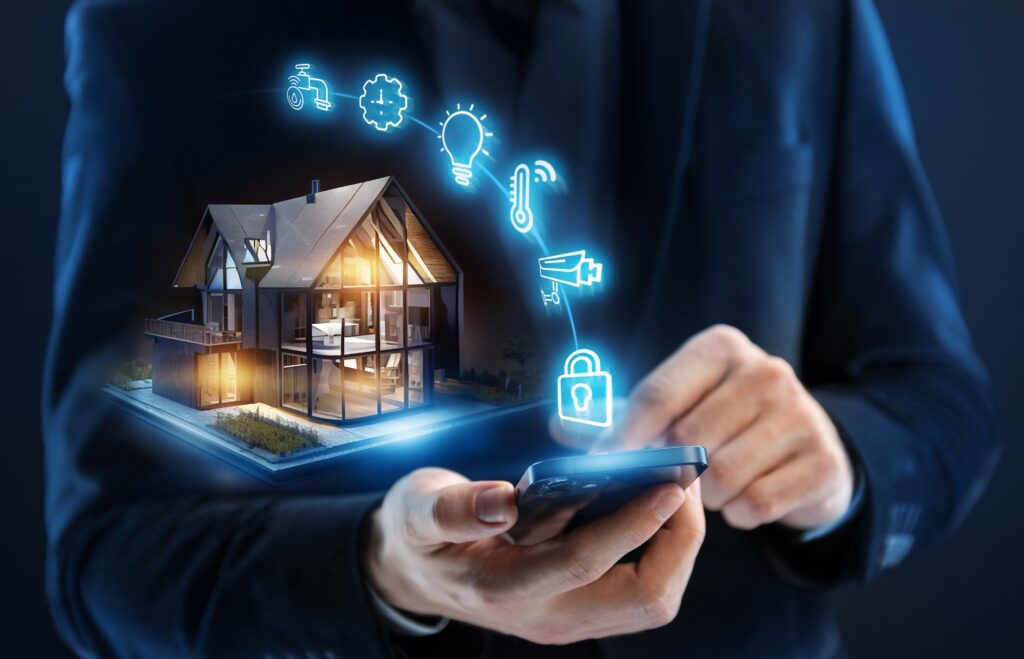
Smart appliances are no longer isolated gadgets — they are interconnected nodes collecting data on usage patterns, temperature, energy draw and sometimes audio. In an investigation, that data can hold valuable clues.
- Establishing a timeline — internal clocks record timestamps that can corroborate or contradict an alibi.
- Identifying unusual activity — deviations from normal patterns, such as an energy spike at an odd hour, can signal tampering or entry.
- Recovering deleted data — even where data has been wiped, fragments and logs can sometimes be recovered.
The challenges
Data volatility
Some appliances store data only briefly before overwriting it, so capturing it requires the right tools and a fast response.
Data security
Manufacturers often favour convenience over security; weak encryption and insecure protocols can complicate extraction.
Standardisation
The lack of common data formats across brands makes collection and analysis a specialist task.
The investigative process
- Scene assessment — securing the scene and documenting every relevant device, its model and any signs of tampering.
- Data acquisition — extracting data through physical methods or network-traffic analysis as appropriate.
- Data analysis — identifying patterns, inconsistencies and potential evidence, from energy logs to captured audio.
- Reporting — detailing the extracted data, the methods used and their significance to the investigation.
From criminal matters to insurance and environmental investigations, the data hidden in everyday devices can help uncover the truth. Make a secure online enquiry to discuss your case.